
Agricultural Innovations for Food Security

Food security is one of Africa’s most pressing challenges, and innovation in agriculture is proving to be the key to ensuring that growing populations have access to safe and sufficient food. In Nigeria and across the continent, new technologies and methods are transforming the way farmers cultivate, process, and distribute crops.

Precision farming is helping farmers make smarter decisions by using data from sensors, drones, and satellite imagery to monitor soil conditions, crop health, and water usage. This allows them to apply fertilizers and irrigation only where needed, reducing costs and boosting yields. Mechanized farming tools are also changing the game for smallholder farmers, making it easier to cultivate larger areas of land with less manual labor.

Water scarcity remains a significant issue, but smart irrigation systems are offering a solution. By delivering water directly to the roots of plants in controlled amounts, these systems improve efficiency while conserving this vital resource. Fertilizer innovations are another critical area, with tailored blends being developed to suit specific soil types and crop needs, ensuring healthier harvests and greater productivity.

These innovations go beyond increasing food supply — they also create opportunities for rural communities, improve livelihoods, and contribute to economic growth. At EHALIK, we are committed to supporting these advancements through our agricultural services and fertilizer solutions, ensuring that farmers and communities are empowered to thrive.
Smart Construction Technologies to Watch

The construction industry is entering a new era, powered by technology that is reshaping how projects are designed, managed, and delivered. Across Africa, and particularly in Nigeria, smart technologies are helping companies build faster, safer, and more efficiently while reducing costs and waste.

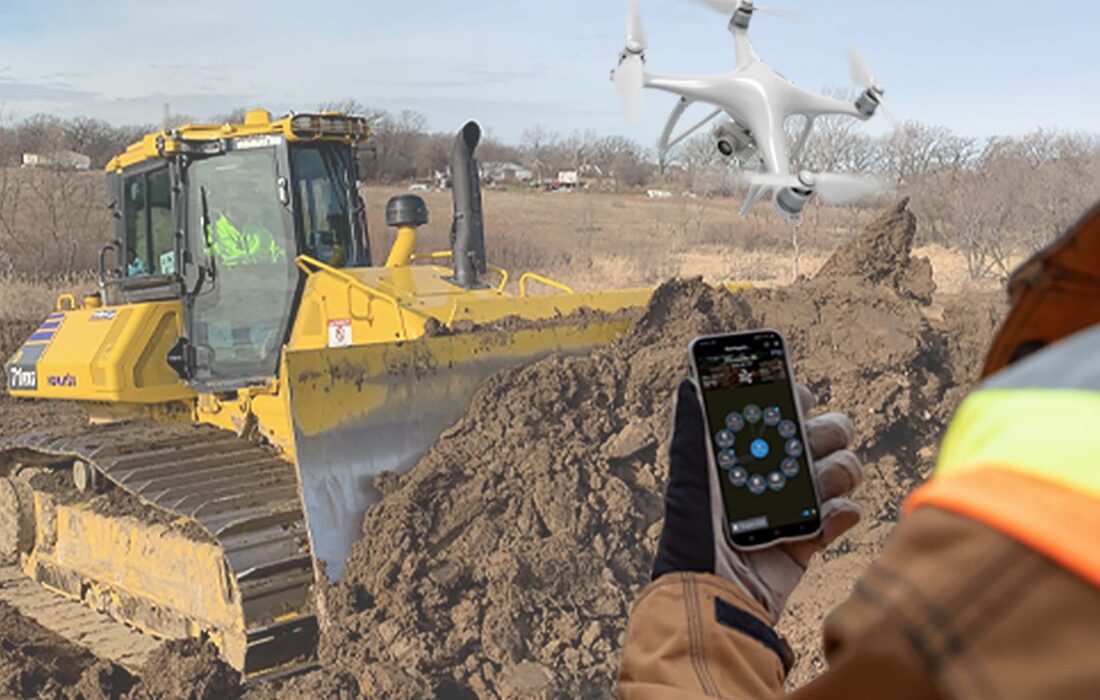
Artificial intelligence is one of the biggest drivers of this change. From predictive analytics that forecast project delays to AI-driven design tools that create more efficient structures, the technology is helping companies save time and resources. Drones are also becoming indispensable, offering real-time site monitoring, aerial mapping, and improved surveying accuracy, which reduces errors and enhances safety.

Another game-changer is modular and prefabricated construction. By assembling building components off-site, developers can cut construction time significantly while maintaining high quality and reducing material waste. Combined with the rise of smart sensors and Internet of Things (IoT) devices, construction sites are now able to monitor structural integrity, worker safety, and energy usage in real time.

These innovations are not just trends; they represent a fundamental shift in how construction will be carried out in the coming years. Companies that embrace these tools will be better positioned to deliver projects that are efficient, sustainable, and cost-effective. At EHALIK, we are committed to leveraging these technologies to transform the construction landscape and deliver value to our clients and communities.

The Future of Green Building in Nigeria

Sustainability is becoming a defining factor in Nigeria’s construction industry. With rapid urbanization, climate change, and growing demand for affordable housing, the need for eco-friendly and energy-efficient solutions has never been greater. Green building practices are now being recognized not just as an environmental choice but as a long-term economic advantage.

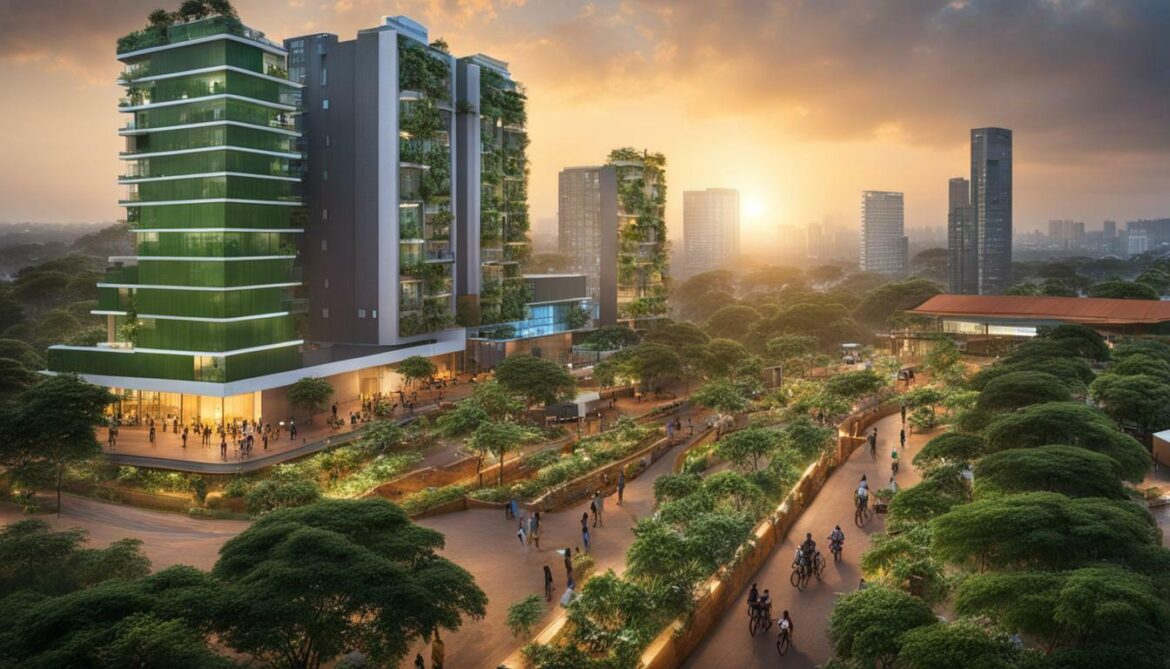
In Nigeria, the adoption of renewable energy systems like solar roofing, smart insulation, and recycled building materials is gaining ground. Developers are increasingly integrating energy-efficient lighting, natural ventilation, and water recycling systems into their projects. These innovations reduce costs for homeowners and businesses while minimizing environmental impact.

Government initiatives are also playing a critical role. Policies supporting sustainable housing projects, coupled with growing partnerships between local and international organizations, are driving awareness and adoption. However, challenges remain, such as the high initial cost of green technologies and the need for skilled professionals who can implement these solutions at scale.

Despite these challenges, the future is promising. As construction companies and real estate developers embrace green building, Nigeria is poised to benefit from healthier living environments, reduced energy consumption, and long-term cost savings. Companies like EHALIK are at the forefront of this transformation, delivering projects that prioritize sustainability while meeting the growing needs of communities.